Dwarf Fortress Shop Hub: Where Hilarity Meets Commerce
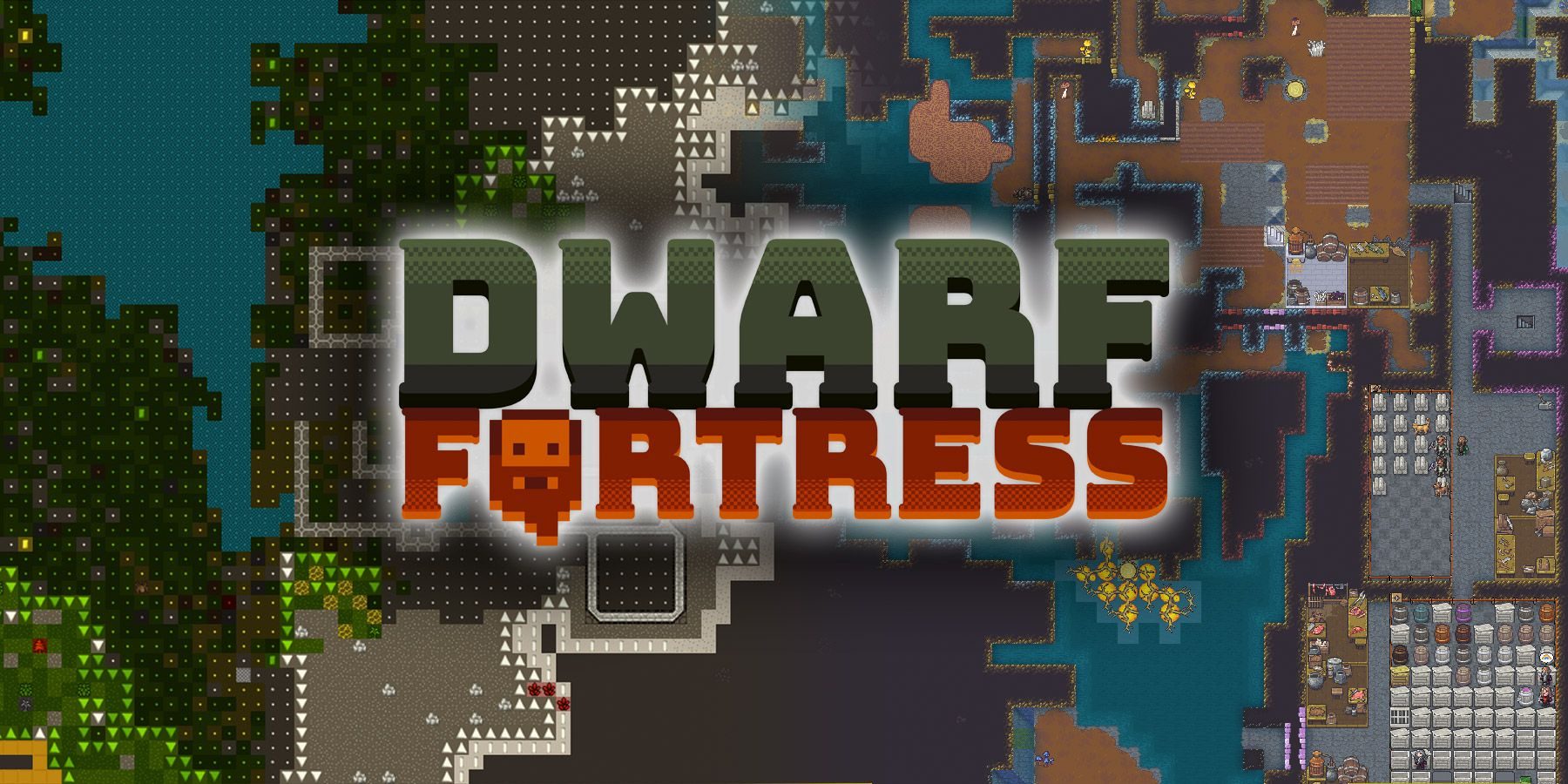
In the vast and unforgiving world of Dwarf Fortress, players are tasked with building a thriving, self-sufficient civilization from nothing. This involves mining, farming, brewing, and crafting, all while managing the complex needs—and legendary quirks—of a dwarven population. But beyond survival and industry lies a more nuanced form of gameplay: the bustling trade economy. Within this system, a single structure becomes the epicenter of wealth, incidental drama, and sheer comic absurdity: the Dwarf Fortress Shop.
The Heartbeat of Your Fortress Economy
Establishing a designated trade depot is crucial for interacting with the outside world. However, the true dynamism of commerce often happens internally, within a player-designed marketplace. This is where the concept of the Dwarf Fortress Shop takes form. Players can designate zones for trade, where their skilled crafters' masterworks—from exquisite stone mugs to deadly adamantine serrated blades—are displayed. The goal is to attract visiting merchants and generate wealth, but the process is anything but sterile. It’s a hub where commerce is constantly interrupted by the bizarre realities of dwarven life.
A Stage for Unintended Comedy
The true magic of managing a shop in Dwarf Fortress is that it becomes a focal point for the game's legendary emergent storytelling. Imagine a visiting elf diplomat arriving to trade fine cloth and wooden trinkets, only to have the negotiations take place while a berserk dwarf, driven mad by a lack of socks, tears through the marketplace. Or picture a legendary cheese maker finally hauling his award-winning wheel to the shop, only for a forgotten beast to crash through the ceiling at that exact moment. The shop isn't just a place of business; it's a stage where the game's complex systems collide, generating stories of heartbreak and hilarity that players never forget.
Managing Chaos for Profit
Running a successful commercial hub requires foresight. You must protect your valuable goods from thieves, both internal and external. Ensuring a clear path from workshops to the shop stockpile is essential, lest your manager dwarf gets distracted by a particularly interesting patch of moss and abandons a cart full of masterwork crowns. Players learn to place their shops strategically, often near dining halls or temples, to capitalize on dwarven foot traffic and the occasional mood-driven craftsdwarf looking to sell a strange artifact. The profit margins are measured not just in gleaming coins, but in the smooth operation of a fortress where art, conflict, and trade intertwine.
More Than Just a Transaction
Ultimately, the Dwarf Fortress Shop transcends its basic function. It becomes a living record of your fortress's triumphs and peculiarities. The high-quality goods for sale tell the story of your artisans' skills. The occasional brawl that breaks out over pricing speaks to the dwarves' fiery spirits. It’s where commerce meets culture, and where meticulous planning meets absolute chaos. For veterans and newcomers alike, perfecting this hub of hilarity and commerce is one of the game's most rewarding challenges.
Whether you're trading with mountain halls for much-needed steel or simply watching your citizens marvel at a newly finished gem window, the shop is where your fortress's economy—and personality—is on full display. It's a testament to the game's depth that a simple commercial zone can become the site of your fondest, funniest, and most frustrating memories.


